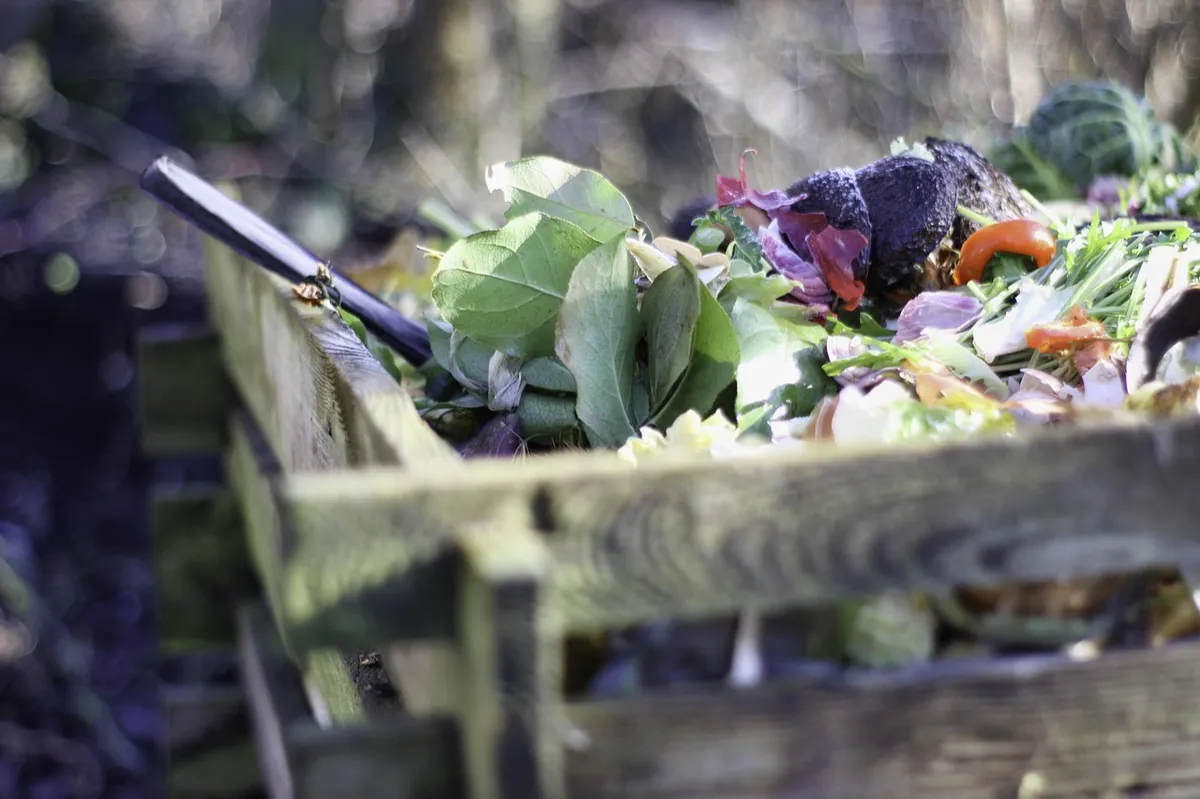
How to Make Compost Pellets From Organic Waste
To make compost pellets, finish the compost first, screen it to 5 mm or finer, adjust it to about 20 to 30% moisture, press it through a pellet mill, then dry the pellets gently to 15% moisture or less. Pelleting does not replace composting. It takes finished compost and makes it denser, easier to ship and easier to spread, which opens up markets that loose compost cannot reach. It costs money to do, so it pays best when you have buyers waiting.
Why pelletize compost?
Less volume to haul. In one study, compaction raised composted swine manure from 240 to 680 kg per cubic meter, nearly three times denser.
Cleaner handling. Pellets reduce odor, flies and other pests compared with loose material.
More precise application. Uniform pellets give a more even spread rate.
New customers. Pellets make nutrients practical for lawns, gardens and golf courses, not just farm fields.
There is an honest downside. NC State Extension says pelleting is not recommended for small or medium farms unless a niche market exists to support the cost, largely because of capital, labor and drying energy. So start with your market, not your machine. If you will spread the compost on your own fields, you probably do not need pellets.
Step 1: Check the rules for your feedstock
What you may compost depends on your state. Many states exempt on-farm and small composters from permits, but the conditions differ. New Jersey, for example, uses tiered exemptions by feedstock and volume. Food scraps and material from off your property usually bring stricter rules. Biosolids are in a separate category entirely. Call your state environmental agency before you take in outside material.
Step 2: Compost it completely
Pellets made from unfinished compost keep breaking down, heating up and smelling in the bag. Use a time and temperature standard. The USDA organic rule is a good benchmark even if you are not certified:
Requirement | USDA organic standard |
|---|---|
Starting carbon to nitrogen ratio | 25:1 to 40:1 |
In-vessel or static aerated pile | 131 to 170°F for 3 days |
Windrow | 131 to 170°F for 15 days, turned at least 5 times |
Keep temperature records. Organic certifiers ask for them, and buyers may too. Let the compost cure after the hot phase, until it stays near ambient temperature when turned.
Step 3: Screen and grind
Remove stones, plastic and sticks. Particle size matters: in a die and roller test on compost, material at 5 mm or finer with 25% moisture gave the strongest pellets. A hammer mill breaks up lumps, and a wood crusher can prepare woody material before composting.
Compost is abrasive, especially if it contains sand or soil. The cleaner it is, the longer your die and rollers will last.
Step 4: Adjust the moisture
Moisture is the variable that makes or breaks this process, and compost needs far more than wood does.
Moisture | What happens |
|---|---|
50% or more | Durability drops. Fresh compost is usually too wet to pellet |
20 to 30% | The best range for dairy manure compost on 6 mm and 8 mm dies, based on recovery and durability |
10% or less | Dusty, and needs dust collection |
Spread wet compost under cover to dry down, or use a dryer for larger volumes. Test small batches and write down what works.
Step 5: Add a binder if you need one
Mature compost often lacks natural binders. The same compost study tested rice flour, lime and rock phosphate at 1 to 3% by weight. Binders changed pellet properties, reduced the water needed and, notably, helped pellets break down. Pellets with no binder did not disintegrate during the test period. That matters, because a fertilizer pellet has to fall apart in the soil.
Other common binders include molasses, starches and lignosulfonates. Canola meal can act as both a binder and a nutrient source. If you sell to organic growers, confirm that each additive is allowed.
Step 6: Press
Start with a 6 mm die. Friction builds heat as compost passes through the die, and that heat can cook fine, low-fiber material onto the die and block it. Feed slowly at first, and watch for pellets that come out dark or scorched.
A rotating roller mill is worth considering, because damp compost can be slippery and may not give standard rollers enough traction. For higher volume, use a ring die mill.
Use a dedicated machine. Do not run compost through a mill that also makes animal feed.
Step 7: Dry, cool and store
Pellets leave the die at 20 to 30% moisture, which is too wet to store. Dry them to 15% or less so they do not mold. Dry gently, because drying too hard can create internal stress that makes pellets weak. Pelleted manure also picks up moisture from humid air, so use sealed bags or dry covered storage, especially in the South.
Keep the storage area ventilated and monitored, since manure-based material can give off gas and self-heat.
Step 8: Test before you sell
Send a sample to a lab for nitrogen, phosphorus, potassium, organic matter, moisture, salts, heavy metals and pathogens. Selling compost is regulated by each state through soil amendment or fertilizer programs, and pellets with nutrient claims can count as fertilizer. See How to Make Organic Fertilizer Pellets for details on labels and registration.
Check your customers' spreaders too. Cylindrical pellets may not flow well through fertilizer spreaders and may need a crumbling step. Keep pellets short and test them in real equipment before you make a big batch.
Machines for a compost pellet line
Step | Machine |
|---|---|
Preparing woody feedstock | |
Breaking up lumps | |
Blending binders | |
Pressing | Rotating roller, flat die or ring die mill |
Moving material |
You will also need a compost screen, a moisture meter and a way to dry the pellets.
Frequently asked questions
Can I pelletize compost straight from the pile? Rarely. Most piles are too wet, and they need screening. Dry and screen first.
Does pelleting kill pathogens? Do not count on it. Friction heat is not a validated treatment. Rely on proper composting, or on a documented heating and drying process.
Do I need a binder? Not always. Test without one first, but remember binders can help pellets break down in the soil.
Can I make pellets from kitchen scraps? Only after they are fully composted, and only within your state's rules on food waste.
Are compost pellets organic? Only if the inputs and process comply and the buyer's certifier accepts them. See our guide on organic fertilizer pellets for farms.
Is it worth it for a small farm? Usually only if you have a market that pays for pellets, such as gardeners, lawn care companies or specialty growers.
Have a compost project in mind?
Tell us your feedstock, tons per year and who will buy the pellets, and we will help you plan the line. See what to prepare for a quote.


