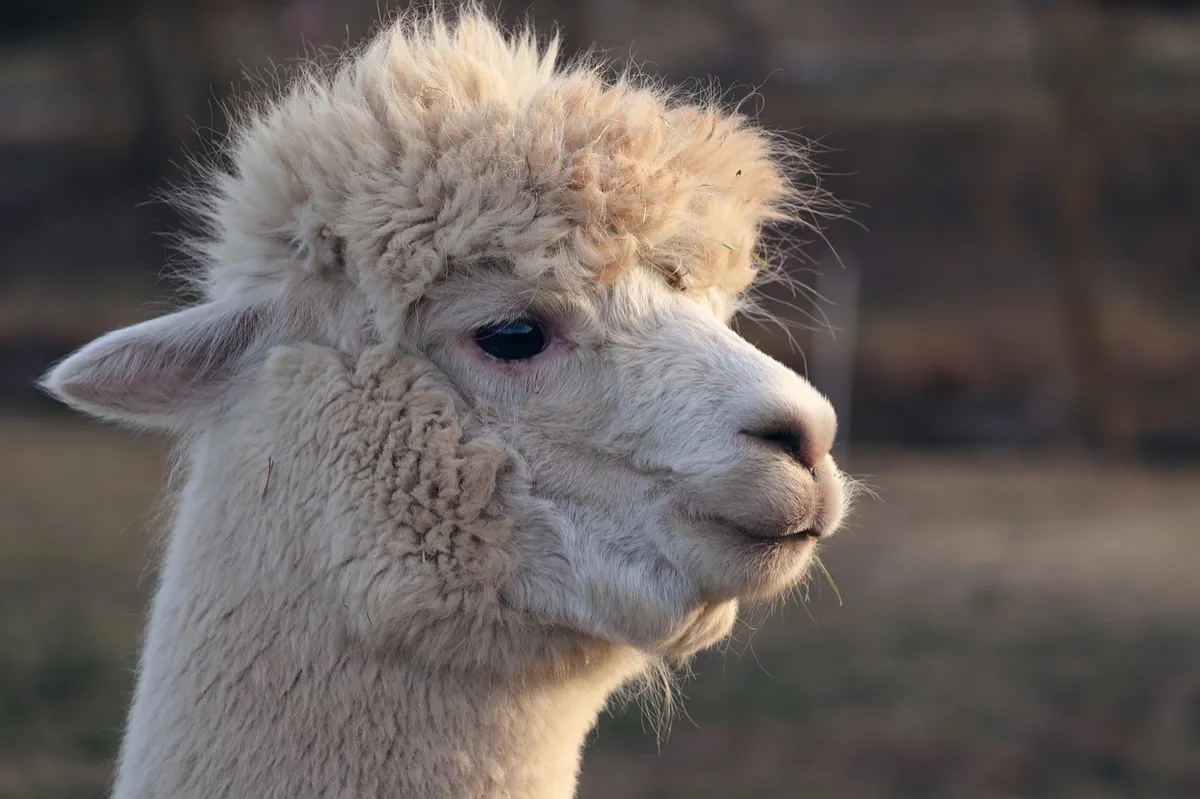
Exotic Animal Feed Pellets: Alpacas, Deer, Quail and More
You can make pellets for exotic animals with a small flat die mill, but the formula matters more than it does for common livestock. Small mistakes hit these species hard: copper in camelids, vitamin C in guinea pigs, calcium in reptiles, protein in growing game birds. Start from published targets for the exact species, have an exotic-animal veterinarian or nutritionist review the ration, and make small batches you will use quickly.
Who makes exotic feed, and why
Bagged feed for these animals can be hard to find locally and expensive to ship. Making your own pellets can make sense for:
Alpaca and llama farms that want a low-copper supplement
Deer and elk farms
Quail, pheasant and other game bird producers
Ostrich and emu farms
Rabbit and small-animal breeders
Tortoise breeders and rescues
Petting zoos and private collections
It can also be a small business, since few mills will take short specialty runs. That route brings extra rules, which are covered below.
Nutrient targets by species
These figures come from U.S. extension and veterinary references. They are starting points for a conversation with your nutritionist, not finished formulas.
Species | What published guidance says | Watch out for |
|---|---|---|
Alpacas and llamas | Mature animals usually hold condition on 10 to 14% protein grass hay. Pellets are a supplement | Copper toxicosis from formulation mistakes and stacked supplements |
Deer and elk | Commercial pelleted rations are commonly 16 to 20% protein | The ruminant feed ban applies. Check state rules on feeding deer |
Bison | Formulate as a ruminant, around forage | The ruminant feed ban names buffalo |
Bobwhite quail | Chicken feed has far too little protein for growing birds | |
Pheasants | Starter 26 to 28%, grower 22 to 24%, holding 16 to 18%, breeders 16% | Leg disorders and poor feathering when key nutrients run short |
Ostriches and emus | Starter at least 18%, yearlings 18 to 24%, breeders at least 24.5% | Impaction in chicks. Provide grit, and alfalfa pellets as a fiber source |
Rabbits | High-calcium pellets and heavy alfalfa can contribute to bladder stones | |
Guinea pigs and capybaras | They cannot make vitamin C and need a dietary source | Rabbit pellets are not a substitute. Vitamin C breaks down with heat, light and moisture |
Tortoises and other herbivorous reptiles | 18 to 22% protein, 1.4 to 2.0% calcium, 0.8 to 1.0% phosphorus on a dry-matter basis |
More protein is not automatically better. A Texas study of deer found that antler size was not related to the share of pelleted feed in the bucks' diet, although pellet intake was linked to yearling body weight.
Five mistakes that hurt exotic animals
1. Using a generic premix. A cattle or horse mineral can carry far more copper than a camelid or sheep can safely accumulate. Penn State Extension explains how to think about copper for llamas and alpacas. Add up copper from every source, including the mineral block.
2. Forgetting that pelleting makes heat. Friction in the die warms the mash, and vitamin C and some other vitamins are heat sensitive. For guinea pigs, do not rely on pellets alone. Provide a fresh daily source of vitamin C, or use a stabilized form your supplier can document.
3. Skipping the cleanout. Medicated feed residues are dangerous to the wrong species. Monensin, a common poultry and cattle feed additive, is toxic to horses, and a mill that ran medicated feed should be cleaned and flushed before making any specialty ration. It is safest to dedicate a mill to non-medicated feed.
4. Letting forage disappear. Most of these animals are built to eat fiber. Rabbits, guinea pigs, tortoises and camelids still need hay or browse. Pellets support the diet, they do not replace it.
5. Storing too long. Small batches sit longer, and vitamins fade. One guinea pig feed maker tells customers not to feed product older than six months. Date every bag, and keep it cool and dry.
Making small batches
Grind fine. Small dies need small particles. Use a hammer mill with a fine screen, and check for coarse pieces that could block the die.
Choose the die for the mouth. As a rule of thumb:
Animal | Die hole |
|---|---|
Quail chicks and other small birds | 2.5 mm, then crush into crumbles |
Rabbits, guinea pigs, game birds, small tortoises | 3 to 4 mm |
Alpacas, llamas, large tortoises | 6 mm |
Deer, elk, bison | 8 mm and up |
Our flat die pellet mills accept optional dies from 2.5 mm to 10 mm. Smaller dies produce less per hour, so size the machine for the die you will actually run.
Consider rollers. Forage-heavy rations can be slippery and resist pulling the rollers. Rotating roller models drive the rollers directly and handle these materials better. See what the model letters mean.
Use an extruder when needed. Floating feed for fish, or expanded kibble-style diets, need an extruder rather than a pellet die. Extrusion runs hotter, so add sensitive vitamins afterward.
Make hay pellets too. Alfalfa pellets are a preferred way to supply fiber to ostriches, because they waste less than hay. Grass hay pellets have a following among tortoise keepers. Both are simple to run on a flat die mill, with no premix to manage, although rabbits and some rodents should not get heavy alfalfa.
If you plan to sell
This is general information, not legal advice.
Feed is regulated by state. Each state sets its own registration, licensing, labeling and tonnage fee rules. Check every state you ship to, including for online sales.
Pet species can fall under pet food rules. AAFCO's resources for small manufacturers are the place to start.
Selling to other farms changes your federal status. FDA preventive controls can apply once you sell.
Watch your claims. Saying a feed treats or prevents a disease can make it an unapproved drug in the eyes of FDA.
Deer have extra rules. Most deer and elk material is barred from ruminant feed, and state wildlife agencies may limit feeding or baiting, especially where chronic wasting disease is a concern.
Frequently asked questions
Can alpacas eat sheep pellets? Often that is closer to the mark than cattle or horse feed. Penn State Extension notes that sheep mineral requirements are considered appropriate for llamas and alpacas. Still, read the label for copper and ask your veterinarian.
Can quail eat chicken feed? Not as a growing diet. Layer feed runs 16 to 18% protein, while growing bobwhite quail need 24 to 30%. Game bird feed exists for this reason.
Can I make homemade guinea pig pellets? You can press them, but vitamin C is the hard part. It breaks down during heating and storage, so test your product or supply vitamin C separately.
What is the smallest pellet I can make? Our optional flat dies start at 2.5 mm. For chicks and very small birds, crush the pellets into crumbles.
Do I need a license to feed my own animals? Generally no, but state rules vary. Licensing and registration usually start when you sell or give feed to others.
Which machine should a small exotic farm buy? Most start with a small electric flat die mill, a small hammer mill and a mixer. Tell us your species and weekly volume, and we will help you choose. See what to prepare for a quote.
Sources and further reading
Nutrition in Rodents and Lagomorphs, Merck Veterinary Manual
Recommended Nutrient Concentrations for Reptiles, Merck Veterinary Manual


